

Don't get stung: How growers can protect crops against pollination failure
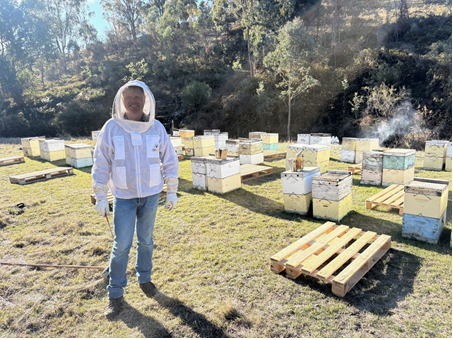
Pure Pollination co-founder Monré Meyer warns growers they can no longer rely on feral honey bees to pollinate their crops. Picture supplied
Growers are being warned to be more proactive when sourcing and using pollination services to ensure their crops are properly pollinated or risk drastic yield losses.
Parasitic varroa mites have decimated European honey bee populations across the eastern states, leaving a potential shortfall of up to 290,000 hives over the next two years for the crucial spring pollination in fruit, vegetable, nut, seed and broadacre crops.
Pure Pollination co-founder Monré Meyer, who addressed the Summerfruit Australia national conference in June, said growers could no longer rely on feral honey bees, handshake deals or last-minute phone calls to secure hives.
Mr Meyer and Bee Sure principal Joe Riordan, who spoke at a series of workshops across Victoria in June, said growers must be more hands-on, actively checking hive quality, making sure contracted beekeepers were managing varroa - with regular mite checks and keeping records of treatment regimes - and planning pollination months ahead of crops flowering.
Mr Meyer said he had seen the consequences of relying on feral bees at Bilpin, NSW, where fruit set in apple crops last year fell to less than 10 per cent after wild colonies disappeared.
He said growers along the Murray River also would face a steep adjustment after depending on "up to 160 feral hives per hectare".
Mr Meyer and Mr Riordan said it was essential for growers to have a backup plan and contracts with more than one beekeeper.
"We've heard of a big beekeeper in Victoria that basically lost his hives because he only started checking and treatment in April and he just couldn't recover from that infestation," Mr Meyer said.
"There have also been cases where beekeepers deliver empty boxes. Growers must be attentive that there's actually bees flying in and out of a box."
Mr Meyer recommended growers accompany a beekeeper doing inspections and learn what a healthy hive looked like when they opened a box.
If they opened a box and found it didn't contain many bees, he said they could engage an independent auditor to check boxes and do frame counts.
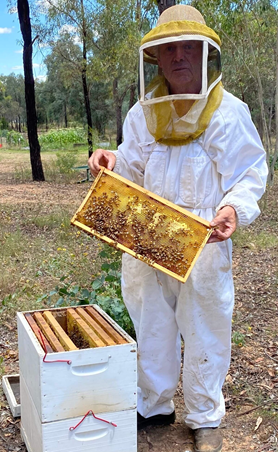
Bee Sure principal Joe Riordan began offering independent audits of bee hive strength and health in 2022. Picture supplied
Mr Riordan, who was a Victorian government apiary inspector for more than 20 years, began offering independent assessments of bee hive strength and health in 2022.
At the standard density of four hives per hectare and $200 to $220 a hive, pollination can cost big growers of pollination dependent crops, such as almonds, millions of dollars.
"Pollination is worth a lot of money these days, so growers need to know what they're purchasing," he said.
Mr Riordan said there were also things growers could do to help beekeepers facing significant increases in labour and chemical costs to manage varroa.
They include choosing warmer, sheltered locations for hive sites and working with state authorities to eradicate neglected or wild colonies that can be sources of reinfestation for managed hives.
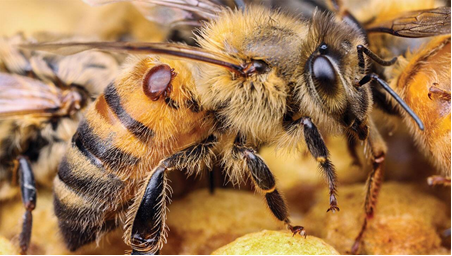
Varroa mites have decimated European honey bee populations across the eastern states, leaving a potential shortfall of up to 290,000 hives over the next two years for the crucial spring pollination in fruit, vegetable, nut, seed and broadacre crops. Picture supplied
Varroa was declared established in NSW in 2023, and spread to Victoria in 2024 and South Australia last year.
Since 2023, commercial beekeeper numbers in NSW alone have fallen almost 35 per cent, from 1355 to 886, and hive numbers dropped almost 32,400, or 9.75pc.
Mr Meyer said more commercial operators were expected to leave the industry in the next two or three years.
Crops that rely on European honey bees for pollination include almonds, apples and pears, stonefruit, cherries, watermelons, cucumbers and pumpkins, and seed crops of canola, lucerne, carrots and onions.
Practical tips for proactive pollination
- Engage early: Talk with your beekeeper well ahead of flowering about hive numbers, varroa treatments and likely availability, rather than waiting until the crop is about to bloom.
- Check contracts: Use written pollination agreements that specify hive strength, frame counts, placement, timing and varroa management expectations.
- Verify hive quality: Arrange for an independent bee auditor, or walk the orchard with your beekeeper and watch boxes being opened to learn what a strong colony looks like.
- Look for live traffic: Make sure boxes delivered to your orchard have bees flying in and out.
- Manage feral hives: Work with government apiary staff in your state to remove feral or neglected colonies that can reinfest managed hives with varroa.
- Improve bee sites: Offer warmer, sheltered locations and good access tracks so colonies can build up and beekeepers can service hives efficiently.
- Plan for backup: Where possible, line up more than one beekeeper and have details of another supplier at the ready if your primary provider has problems.
- Stay informed: Follow updates from the Australian Honey Bee Industry Council and state governments on treatment resistance and integrated pest management options.
This article appeared in Good Fruit & Vegetables magazine
