

Maze of internet alternatives
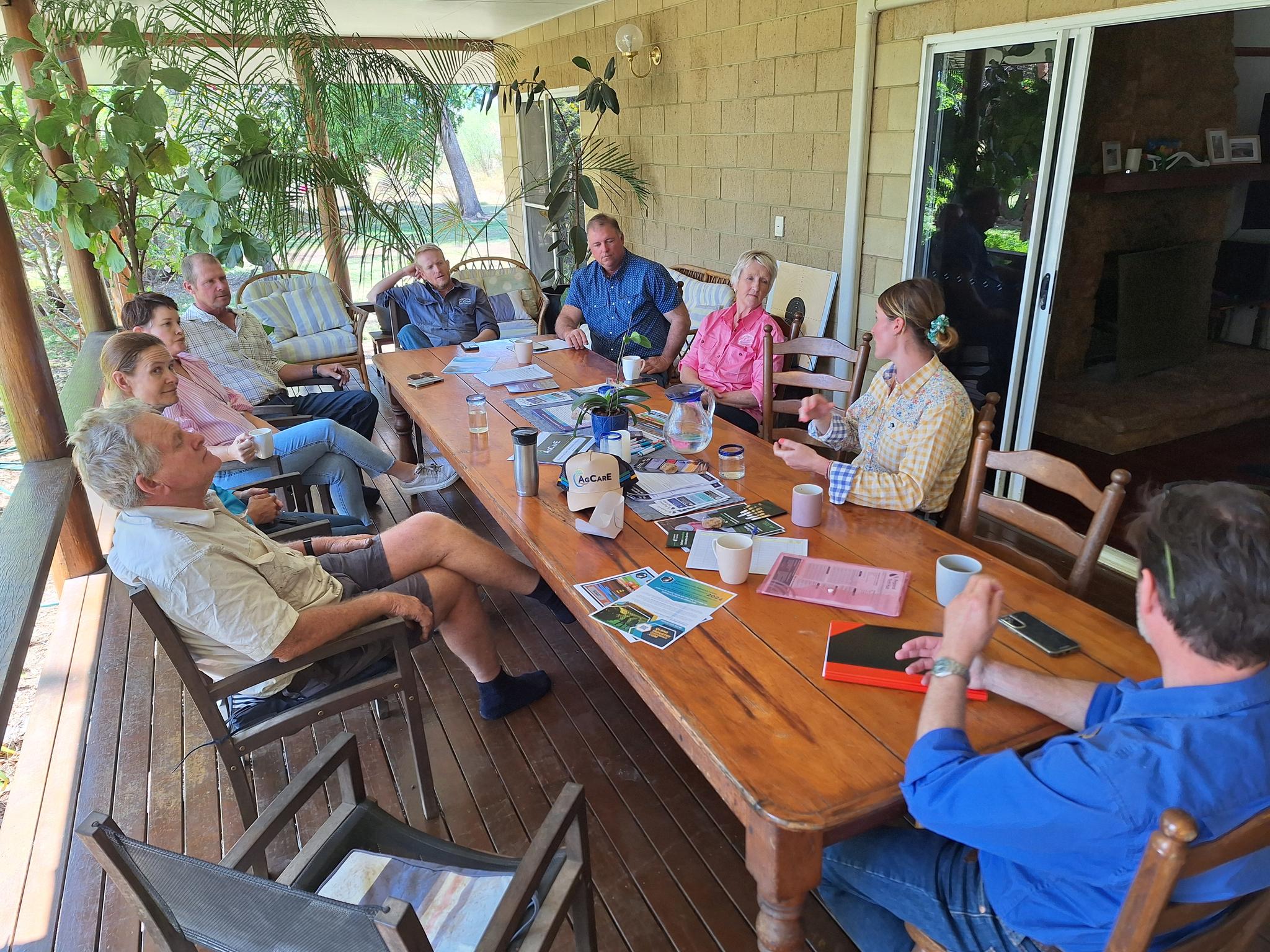
Northern Australia Regional Tech Hub partnership officer Georgia Beecraft delivers a community connectivity literacy session. Pictures supplied
There are more ways than ever for people in rural, regional and remote Australia to get online, but that abundance of choice brings a new kind of headache.
Regional Tech Hub general manager Kristen Coggan said the days of "putting up with a crappy service" because you lived in the bush were over, but working out which internet service provider and technology to use had become convoluted and confusing.
A decade ago, many farm businesses were reliant on limited, expensive mobile broadband - if they could get anything at all.
"About 1O years ago, living out on a property, I could get 25 gigabytes a month of 3G, but I'd have to stand on one leg,with my tongue poking right to access it, and that would cost me around $160 a month," Ms Coggan said.
The launch of NBN SkyMuster satellite in 2016 was a turning point for remote users, and the service has since evolved to higher speeds and more flexible data allowances.
NBN fixed wireless has also expanded, with tower footprints increasing from 14 kilometres to about 28km, allowing some customers to move from satellite onto faster, more stable fixed wireless services.
In other locations, technology upgrades funded through regional connectivity programs have "flipped" towns from satellite or older copper services to fibre-to-the-premises, which is the gold standard of fixed internet.
Many farm households and businesses can now choose from a mix of NBN fibre, fixed wireless, mobile broadband, Sky Muster, Starlink or independent wireless internet service providers (WISPs).
Each comes with trade-offs around cost, data, reliability and latency.
Fixed connections such as fibre or fixed wireless usually provide more consistent performance and are better suited to high data use and business-critical applications, while mobile broadband remains valuable for on-the-go connectivity but can struggle under heavy loads.
Ms Coggan said some communities relying on strong mobile coverage were running into congestion and reliability issues because "everybody in town is streaming on it and using it for absolutely everything".
In places like Dirranbandi, Qld, she said shifting most home and business data use to NBN fixed wireless would ease pressure on the mobile network and provide vital backup if a tower went down.
"Small businesses are running eftpos on mobile broadband, so if the tower goes down they can't make any sales," she said.
"Whereas if they were using fixed wireless that isn't an issue, and mobile can be the redundancy."
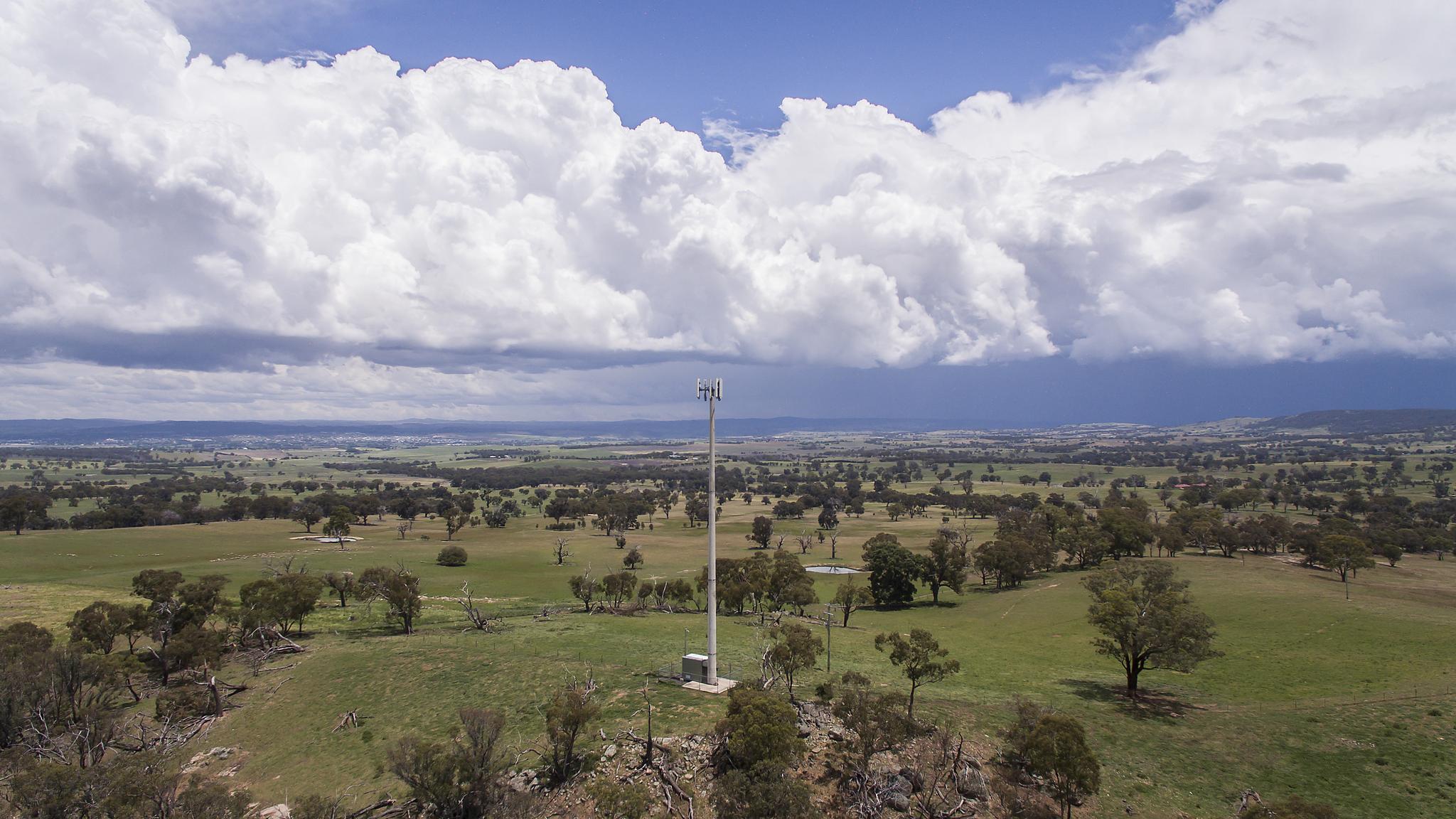
Choosing the best internet service for living and working in rural, regional and remote Australia depends on a range of factors.
Because every farm, landscape and business model is different, Ms Coggan said there was no single solution for everyone.
Established after the 2018 Regional Telecommunications Review, the not-for-profit Regional Tech Hub offers free, independent advice to help people work out what will best suit their needs and budget.
The help desk team considers co-ordinates, terrain, vegetation, available technologies and how the connection will be used - from basic email through to cloud-based farm management platforms, machinery telematics and on-farm WiFi.
The hub receives about 7500 enquiries a year and its regional partnership officers run community events.
The website has a range of resources, including the ebook From Gate to Grid: Breaking down farm connectivity.
This article appeared in Powering Up Profits: Beef, published in ACM agricultural publications.
