

Quality over quantity: why Grower of the Year Paul Priest backs fewer, better apples
Paul Priest is known for straight talk and an unwavering focus on quality – but it’s a passion for doing things properly that really drives him.
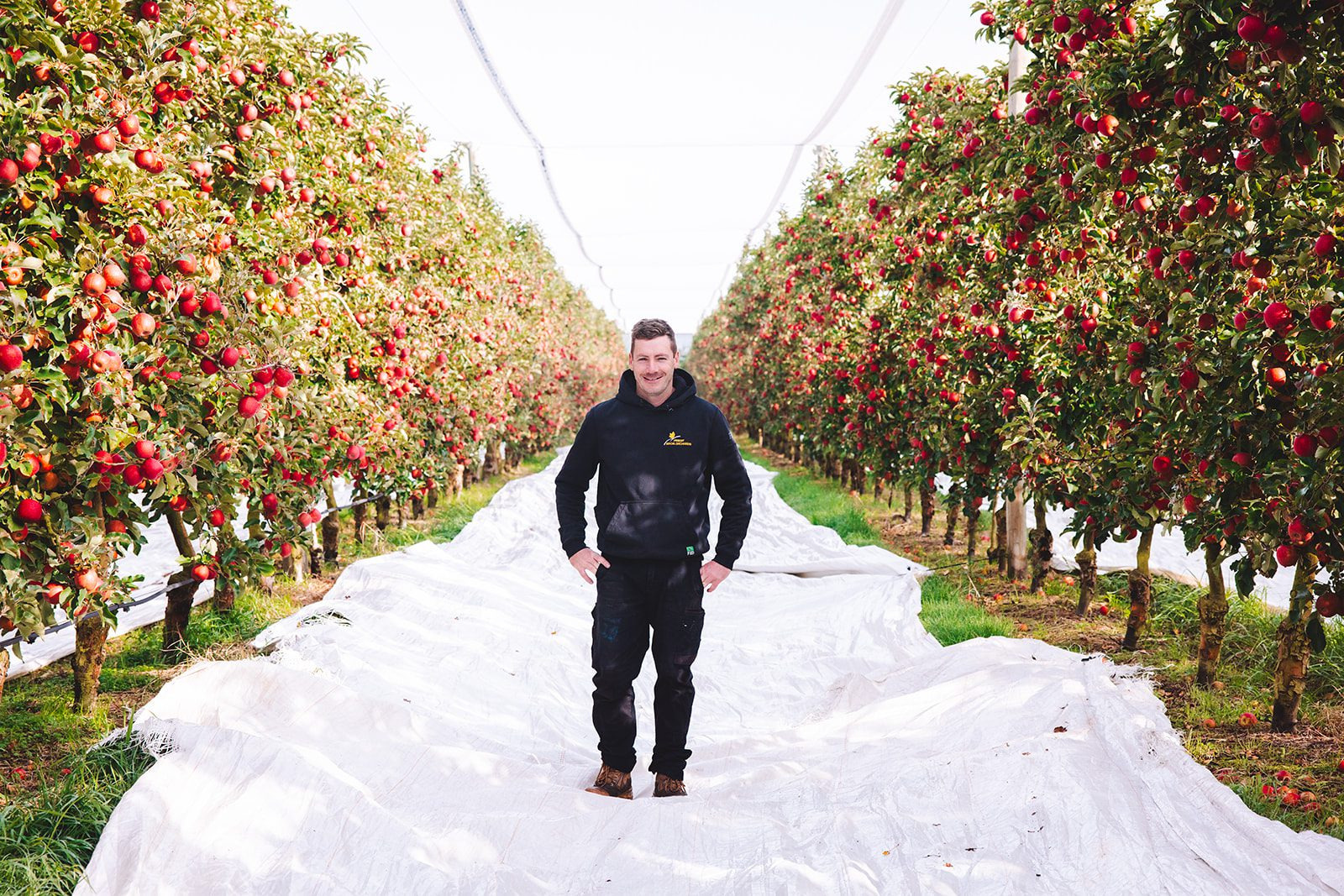
Paul consistently supplies the packing shed with 90 per cent-plus packouts of the highest quality fruit suited to the wholesale market. Photo: Lauren Murphy Photography
Fourth-generation Pakenham grower, Paul
Priest, has never been interested in simply filling bins – he wants to
produce apples that look good, taste good and that consumers will seek
out time after time.
This uncompromising focus on quality, backed by data and an appetite for innovation, has resulted in Paul being named the 2026 APAL Grower of the Year.
“We grow what the consumer wants, not what you want to grow or what you want to give them,” he said.
“That has always been our niche. We supply the markets, the greengrocers and retailers who are after a premium product that’s a point of difference to the supermarket.
“Their customers are willing to pay a bit
more for a better product and our challenge, year in year out, is to try
and provide that top quality piece of fruit consistently.”
The Priest family established its first orchards in the area, which sits between the Yarra Valley and west Gippsland, in 1886.
These days the orchards span about 40ha across three properties at Pakenham and another 13ha at Harcourt, where new plantings will go in this year.
Paul, who manages orchard operations – including the picking crew of up to 40 workers – is one of three siblings involved in the farm business, along with their parents, Norm and Jeanine.
His sister Tracey manages the office, while his brother Shane, who was named APAL’s 2025 Marketer of the Year, runs the Priest Bros stand at Epping Wholesale Market, selling their fruit and distributing it through agents in Brisbane, Sydney and Perth.
Crucial to ensuring consistency of both yield and quality during the past 20 years has been the adoption of permanent netting to ground level, higher density plantings, crop load management and platform-friendly layouts.
They use pollinators and bring in beehives to boost pollination, and pack their own fruit, aiming for packouts of better than 95 per cent.
Priest Bros produces mostly open varieties: Fuji, Gala (Galaval), Golden Delicious, Granny Smith, Cripps Pink and the Japanese-bred managed variety Shinano Gold, marketed as yello®.
Norm was among the early adopters of hail netting, out of necessity, but they quickly realised the benefits extended to protecting fruit against birds, deer and kangaroos, as well as wind and sun damage.
“Now we don’t plant a block unless we can afford to net it within the first or second year,” Paul said.
Mobile platforms are central to orchard operations, with crews pruning, thinning, picking, training trees and handling hail nets from platforms across 98 per cent of the area, making work safer and more efficient.
Technology includes bird lasers and leaf defoliators, while soil moisture monitoring equipment and dendrometers are used to confirm irrigation management.
Paul is testing drones for mapping and spraying, but said any new tech had to help improve fruit quality and increase profitability, rather than just saving money or generating useless data.
His greatest satisfaction comes from watching a plan come to fruition.
“It’s seeing the end result,” he said.
“From planting a new block, setting the whole thing up and growing it
for those first two or three years … when you’re coming up to full
production and see the fruit come in, that’s very satisfying – you know
you’ve made the right decision or you’re on the right track.”
Not every bet pays off. A few varieties have been pushed out when returns didn’t stack up, and Paul is comfortable cutting losses early to preserve the business.
“We’re striving to be great at something rather than good at everything,” he said.
In his view, fewer well‑grown varieties, more consistent quality and comprehensive marketing campaigns would help increase consumption of Australian apples.
“There are just too many varieties out there and it’s so confusing for consumers,” he said.
“We don’t supply them, but if I go to my local supermarket, there could be up to 11 varieties on the shelf now. Some people don’t really know what they’re buying. They just see a red apple.”
For something different, Priest Bros last year launched Sparkling Gold, a lightly carbonated 100 per cent apple juice which can be ordered through their online store.
“We wanted to value-add ourselves, rather than giving it to someone else to juice,” Paul said.
“All the feedback we’ve had has been really positive, so now we’re aiming to get it into some restaurants and niche outlets that are after something a bit different, that’s premium and higher quality than ordinary juice.”
And for someone used to just getting on with the job, Grower of the Year is an accolade that Paul is quick to share the credit for: with his parents, wife Tarryn, Shane and Tracey, and the staff who put his plans into practice every day.
“Yes, I’m there making decisions and doing the long hours like everyone else, but it’s a collective, if you know what I mean. It’s not just me,” he said.
That sense of shared effort extends beyond the farm gate, with Priest Bros hosting orchard walks, and openly sharing both their wins and missteps with other growers.
This article was published in AFG magazine and on the APAL website.
